en
en
 Français


Spinel: a fascinating gemstone with a rich history
Spinel is a semi-precious gemstone that long remained underestimated, yet it is increasingly sought after today for its remarkable brilliance and wide range of colors. Found in royal jewels for centuries, spinel was often mistaken for ruby or sapphire, as its intensity and sparkle can easily rival some of the most famous precious stones. With its excellent hardness (8 on the Mohs scale), spinel is a durable gemstone, ideal for everyday jewelry such as rings, pendants, or necklaces.
Available in an impressive chromatic palette—from vivid red to cobalt blue, including pink, violet, and even deep black—spinel is especially appreciated for the purity of its natural hues. Unlike many common gemstones, it is rarely treated, making it highly valued by collectors and lovers of authentic gemology.
White spinel: a luminous alternative to diamond
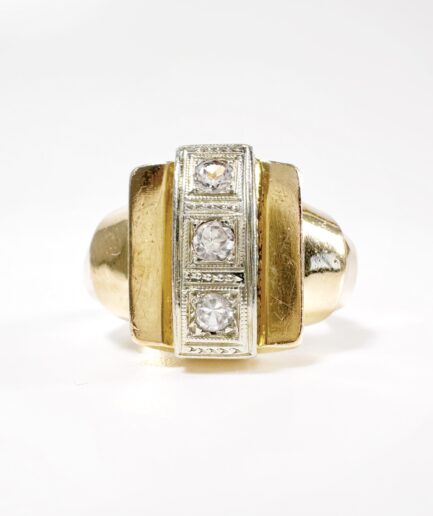
Among the most elegant varieties is white spinel, a transparent stone with a soft, refined brilliance, often used as an alternative to diamonds in both antique and contemporary jewelry. Thanks to its crystalline transparency and glassy luster, white spinel reflects light with subtlety, offering a luminous effect without appearing overly flashy. It was widely used in early 20th-century French jewelry, where it served as a beautiful substitute for diamonds in gold and platinum creations.
With the rise of laboratory-grown gemstones in the 1920s, synthetic white spinel also gained popularity. Produced through flame-fusion techniques, this man-made version displays consistent brilliance and an accessible price point, making it a common material in vintage jewelry, particularly in Art Deco rings and high-quality costume pieces. Whether natural or synthetic, white spinel remains a luminous, elegant gemstone with a rich and captivating history.
show blocks helper